
Senegalese President Bassirou Diomaye Faye said the ruling party is on a path that could lead to its downfall but that the party’s leader, Prime Minister Ousmane Sonko, will remain in his post if he keeps “doing his job properly”.
Faye’s comments, aired on state television late Saturday, come amid persistent speculation that the two men’s political alliance is on the rocks and as the West African country faces growing economic challenges linked to debt and the fallout from the Iran war.
Sonko was a popular opposition figure under the previous administration. He was barred from running in the 2024 presidential election due to a legal conviction and chose little-known Faye, a longtime aide and member of the Pastef party, as his replacement candidate.
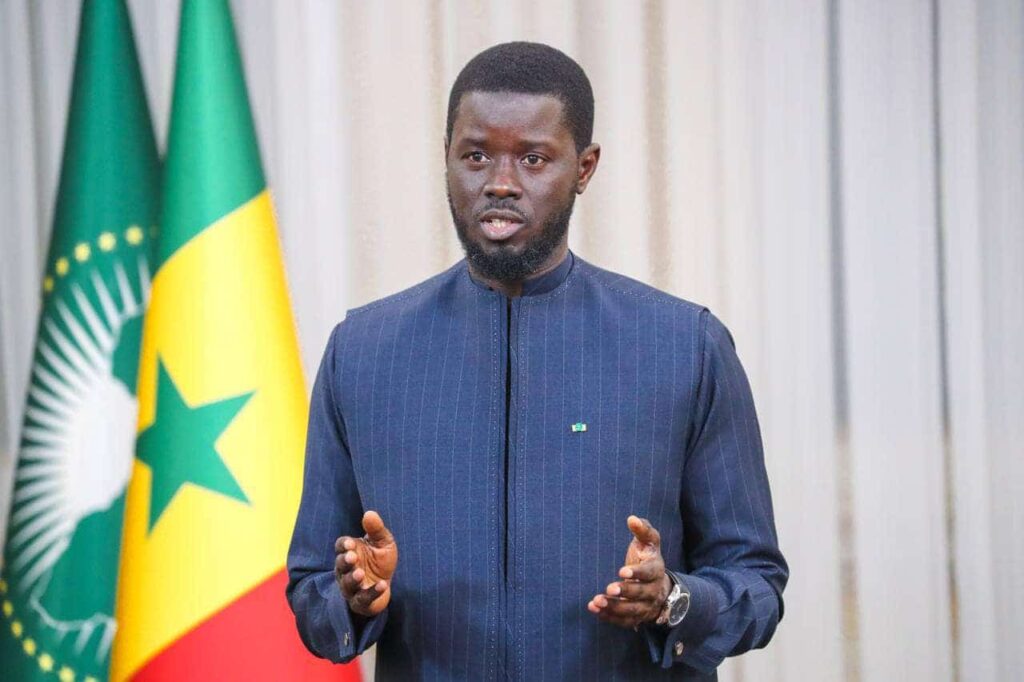
Faye then appointed Sonko as prime minister.
Since then, signs of dissension have begun to appear between the two men. In March, Sonko said he was willing to take his party out of the government and return to opposition if Faye broke with Pastef’s vision.
“If Pastef’s supporters do not change course, the party risks collapsing,” Faye said on Saturday, adding that the party garnered broad support because Senegalese people backed its ideals rather than any individual’s personal ambitions.
He also noted that he had the right to appoint and dismiss his prime minister.
“As long as (Sonko) remains prime minister, it’s because he is doing his job properly, and I am satisfied with that. However, the day I am no longer satisfied, I will put Senegal’s interests first,” he said.
The International Monetary Fund froze Senegal’s $1.8 billion program in 2024 after the government uncovered misreported debts by the previous administration.
Sonko said in November that the IMF had proposed a debt restructuring, which he said Senegal would not accept.
Talks to negotiate a new program have made scant visible progress.
Faye said on Saturday that Senegal’s economy was faring well without IMF support but the war in Iran could be a drag on growth.
“We had projected our growth based on an oil price of $64.5 per barrel. When the price rises to $119 per barrel, our growth forecasts are revised downward,” he said.
“The resources that were initially intended for investment are eventually redirected toward supplying the country with petroleum products, which delays the investments we had planned for this year.”