
South Sudan has again postponed its first national elections since independence in 2011, moving polling from December to February amid concerns about insecurity, funding shortages and the country’s readiness to vote.
A revised timetable published on November 14 by the National Election Commission sets Feb. 11, 2027, as polling day, replacing Dec. 22. The document did not give a reason for the postponement.
The polls have been repeatedly delayed, including in 2022 and 2024. The latest announcement follows warnings that elections could further unravel the country’s fragile peace.
The commission published the timetable on social media on the day voter registration was scheduled to begin. It also sets dates for candidate nominations and campaigning.
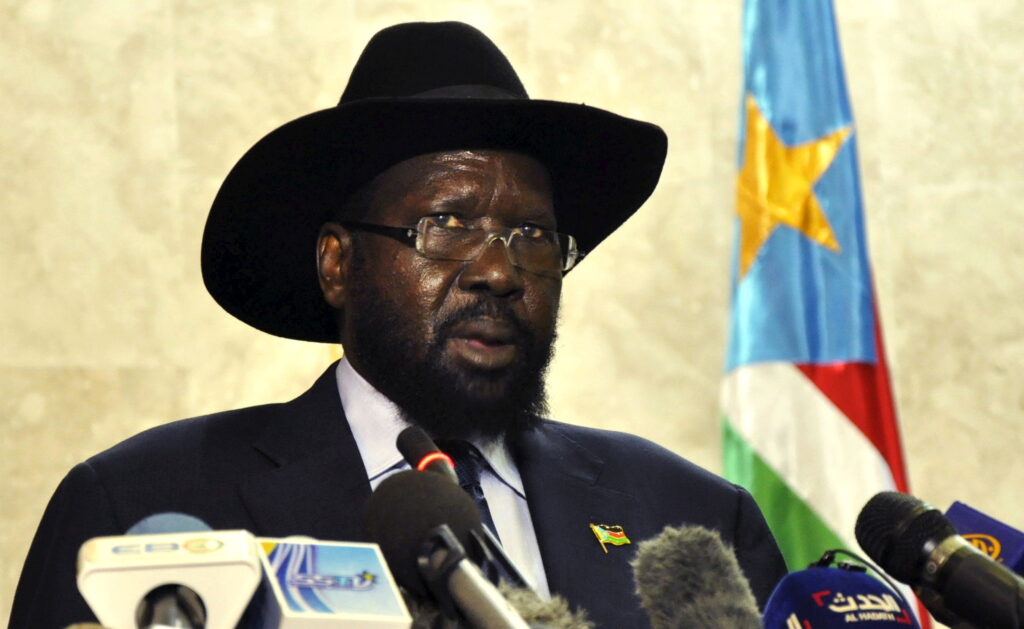
A day earlier, commission chairperson Gabriel Bol Deng told journalists in Juba that registration would run from Nov. 14 to Nov. 28 at 3,161 registration centers across the country’s 10 states and three administrative areas.
Deng urged eligible citizens to register and called on political parties, civil society groups, community leaders and the media to help raise public awareness.
South Sudan became independent from Sudan in 2011 after decades of civil war. A new conflict broke out in 2013 between forces loyal to President Salva Kiir and followers of his rival, Riek Machar. A peace deal was signed in 2018 and a transitional government of national unity was formed in 2020.
Fighting between government and opposition forces escalated in early 2025, and Machar was placed under house arrest in Juba that March. He and seven co-defendants are on trial on charges including treason, murder and crimes against humanity linked to an attack on an army garrison in Nasir, in the northeast. They deny the charges.
The transitional unity government was dissolved in September and replaced by a caretaker administration.
The South Sudan Civil Society Forum said in a statement issued in late October that conditions did not support fair, credible, peaceful and inclusive elections within the remaining time. It called for an inclusive dialogue on electoral preparations and the country’s transition.
Kiir’s ruling Sudan People’s Liberation Movement, or SPLM, has been holding primaries across the country. But there has been little electoral activity among other registered parties, Anita Kiki Gbeho, head of the United Nations Mission in South Sudan, told the U.N. Security Council on Nov. 10.
“Elections must be a milestone in the transition, not its conclusion. Elections cannot substitute for political dialogue, confidence-building and continued implementation of the Peace Agreement,” she said.