Features

Features

Bouteflika’s legacy of failure
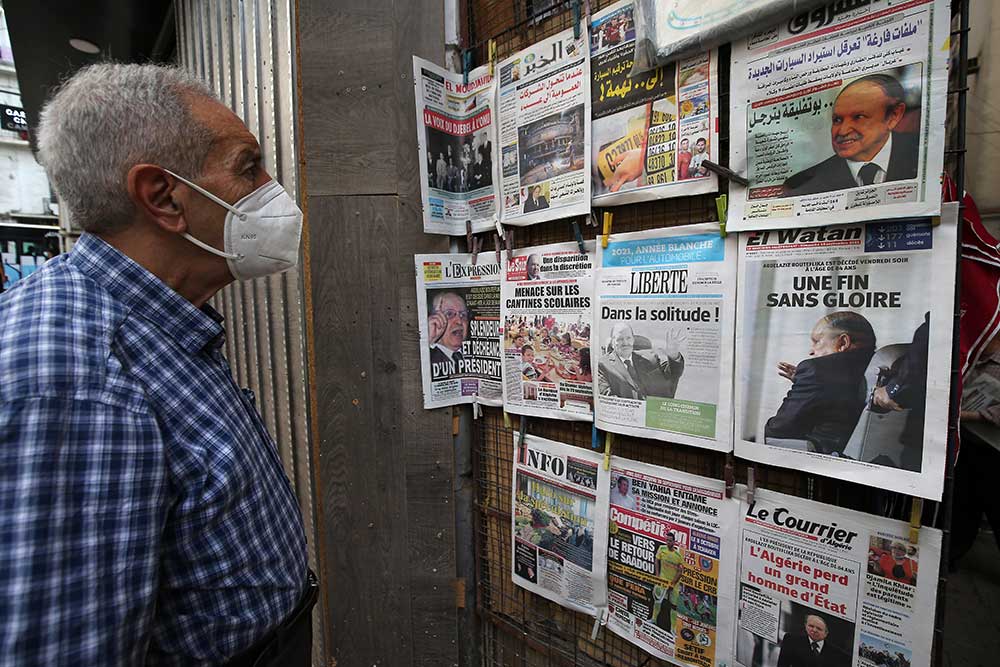
A man reads headlines reporting the death of former Algerian President Abdelaziz Bouteflika, at a newsstand in Algiers on September 19.

Former Algerian President Abdelaziz Bouteflika, who died in September at the age of 84, served in the country’s government for four decades, starting at independence in 1962 and ending with his ouster from the presidency in 2019. His career exemplified a ruling class defined by military autocracy and economic cronyism, in which Algeria’s oil wealth …
Bouteflika’s legacy of failure Read More »

NATO’s mess in Libya

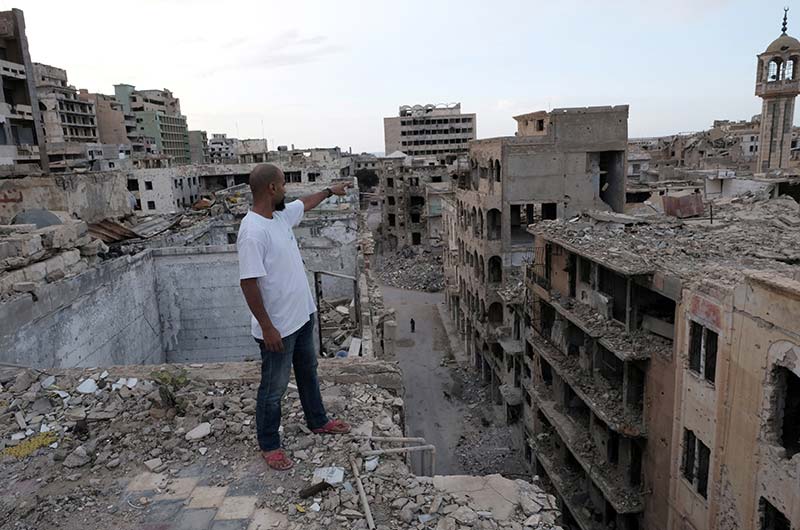
The NATO coalition bombing campaign in Libya in 2011 killed an unknown number of civilians, possibly more than 400. The eight nations involved have all refused to accept public responsibility for the harm they caused, and almost none of the families left behind have received compensation or an apology. They claim that the burden of …

NATO’s mess in Libya Read More »

A tough decision ahead for ANC

The African National Congress’s share of the votes has steadily declined over South Africa’s last four general elections. Does this mean it will lose its majority in the 2024 election and have to form a coalition government, as the number of young voters demanding that the ANC deliver services and reduce corruption and unemployment grows to exceed …

A tough decision ahead for ANC Read More »

Sudan: Elusive peace

A man waves the flag of South Sudan during celebrations in Juba on July 9, 2012 to mark the first anniversary of the nation’s independence. Hopes for peace and stability were very high, but it didn’t take long for the oil-rich country to slide into civil war. The road to peace has become so slippery because the leaders of the two main factions are bitterly suspicious of each other.

South Sudan had high hopes when it became independent 10 years ago, after a long rebellion against the Sudanese government in Khartoum. But within two years, the leadership rivalries and ethnic cleavages that had divided the rebellion blew up into a bloody civil war that displaced one-third of the country’s 12 million people. Longtime foes …

Sudan: Elusive peace Read More »

Nigeria: A nation gripped by fear

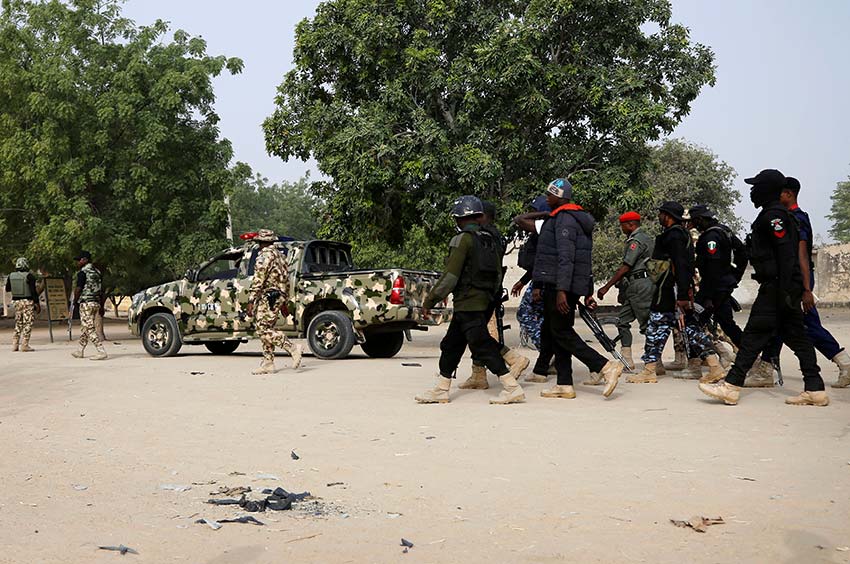
Nigerian military troops on patrol. Already stretched thin by the conflict with Boko Haram, it is now deployed in 35 of the country’s 36 states, often using soldiers trained for war to police civilians.

Nigeria, already engaged in conflict with the Boko Haram jihadists in the northeast, is now facing widespread violence on several other fronts, from clashes between pastoralists and farmers that have displaced thousands of people to secessionist guerrillas in the Igbo-speaking southeast, who on April 5 attacked a police headquarters and a prison and freed 1,800 …

Nigeria: A nation gripped by fear Read More »

Ethiopia’s deepening crisis

Ethiopia Feature

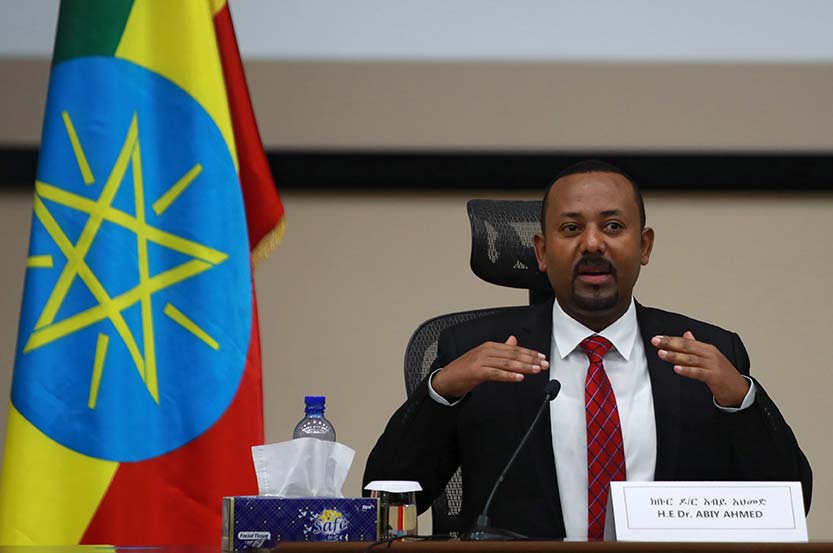
Ethiopian Prime Minister Abiy Ahmed’s political slogan is “medemer” – or “coming together”. But some analysts say reforms meant to unify Ethiopia have inflamed simmering ethnic and political divisions and risk unravelling Africa’s second most populous nation. Katharine Houreld and Maggie Fick report. Now Ethiopian unity faces its severest test yet: since Nov. 4, the …

Ethiopia’s deepening crisis Read More »

Finally Africa Factbook busts myths

The Africa Factbook

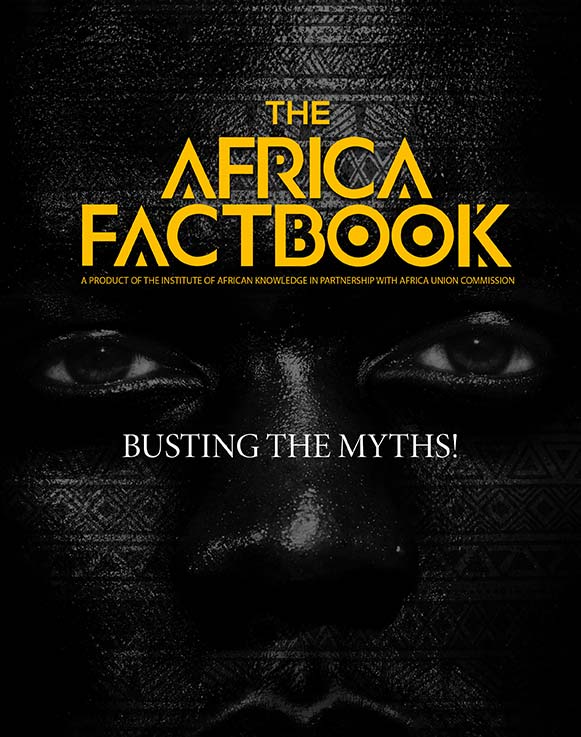
For the first time in Africa’s postcolonial history, a comprehensive factbook that seeks to bust the key myths that Western historians and writers have created about the continent has been published. The Africa Factbook, a 1,200-page tome, was produced by the Institute of African Knowledge in Harare, Zimbabwe, in partnership with the African Union Commission, …

Finally Africa Factbook busts myths Read More »

A bumpy road ahead

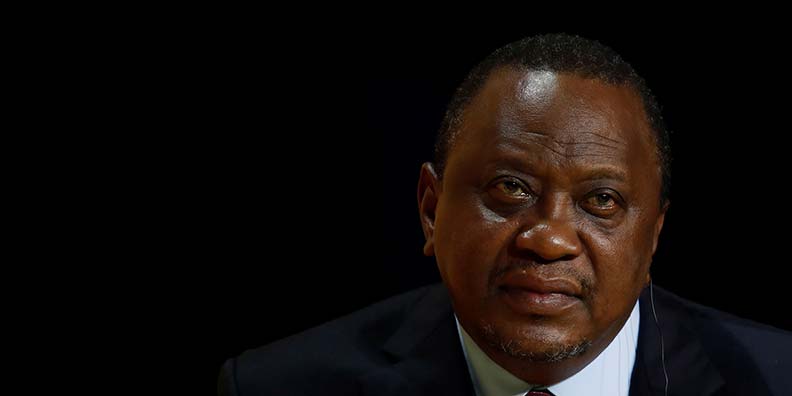
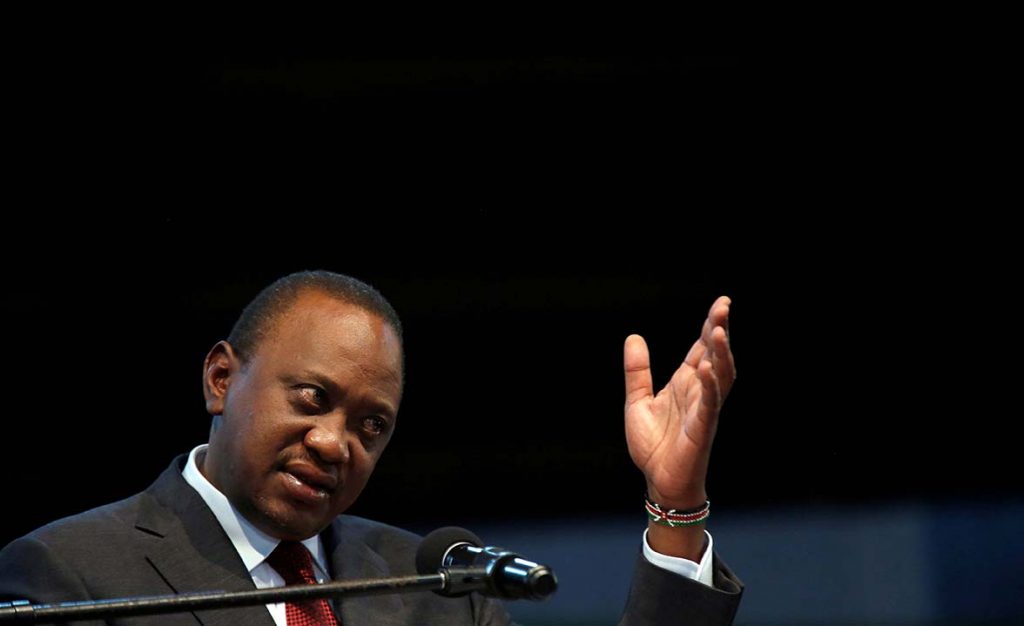
In March 2018, Kenyan President Uhuru Kenyatta and opposition-party leader Raila Odinga announced a pact to work together. The agreement, a surprise because Odinga had claimed the presidency after the disputed 2017 election, represents an alliance between the elites of two of the country’s largest ethnic groups. But like similar arrangements in the past, it …

A bumpy road ahead Read More »

John Mahama: Why I’m coming back

HOME-Top-Story-Ghana-Interview-Main-Picture

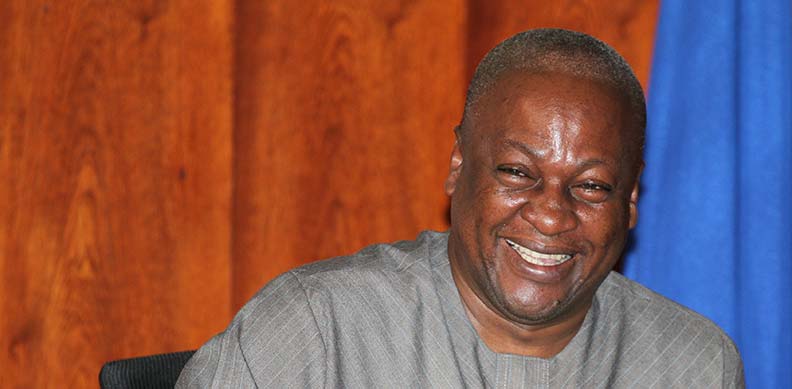
In this wide-ranging interview in July, John Dramani Mahama, Ghana’s former president and leader of the opposition National Democratic Congress (NDC), explains why he finds it necessary to run again for president. The “poor performance,” as Mahama puts it, of the government of President Nana Akufo-Addo and the ruling New Patriotic Party (NPP) necessitates its …

John Mahama: Why I’m coming back Read More »