
Gold-producing nations in West Africa are racing to build gold refineries. Guinea’s Nimba Gold Refinery is expected to open in July. Mines Minister Bouna Sylla says the country retains less than 1% of the revenue from the $7 billion worth of gold it mines in a year. And the new refinery would change that.
Guinea aims to become a regional gold refining hub, its mines minister said, joining a broader push by West African producers to process bullion locally rather than exporting it to the Middle East and beyond. The move underscores efforts to retain more value at home as gold prices remain high.
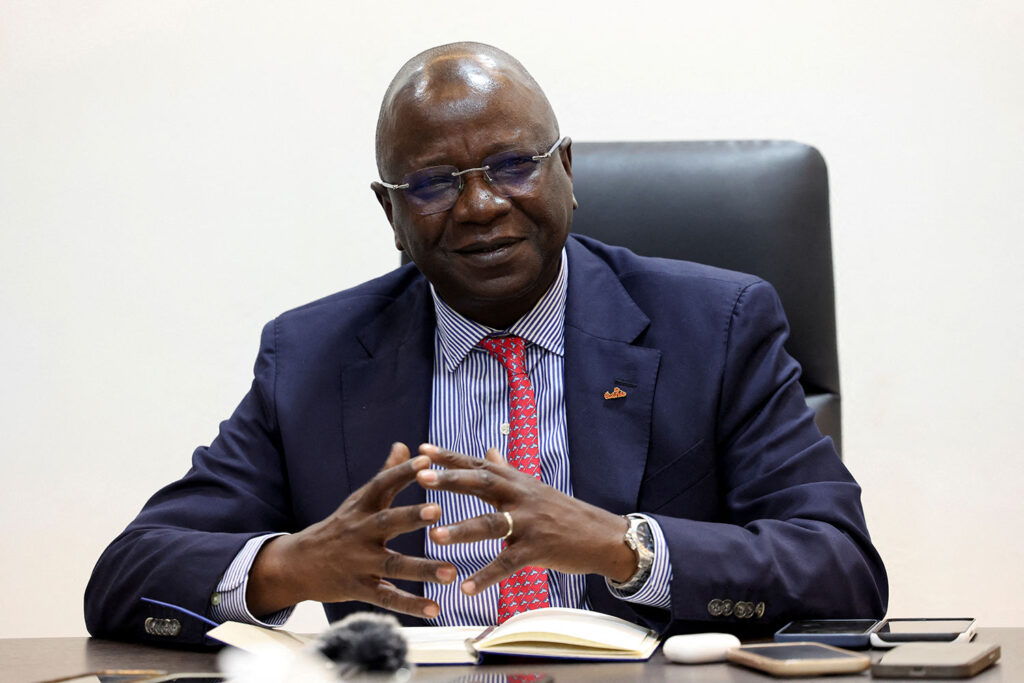
“If each (West African) country has a refinery, there is no problem,” Mines Minister Bouna Sylla said. “If your refinery is not competitive, it will fail or succeed because of economics, not politics.”
President Mamady Doumbouya in late June banned raw gold exports, effective immediately. Guinea, one of the world’s top three bauxite producers, is seeking to retain more value domestically from its mining industry.
Refinery among Africa’s largest
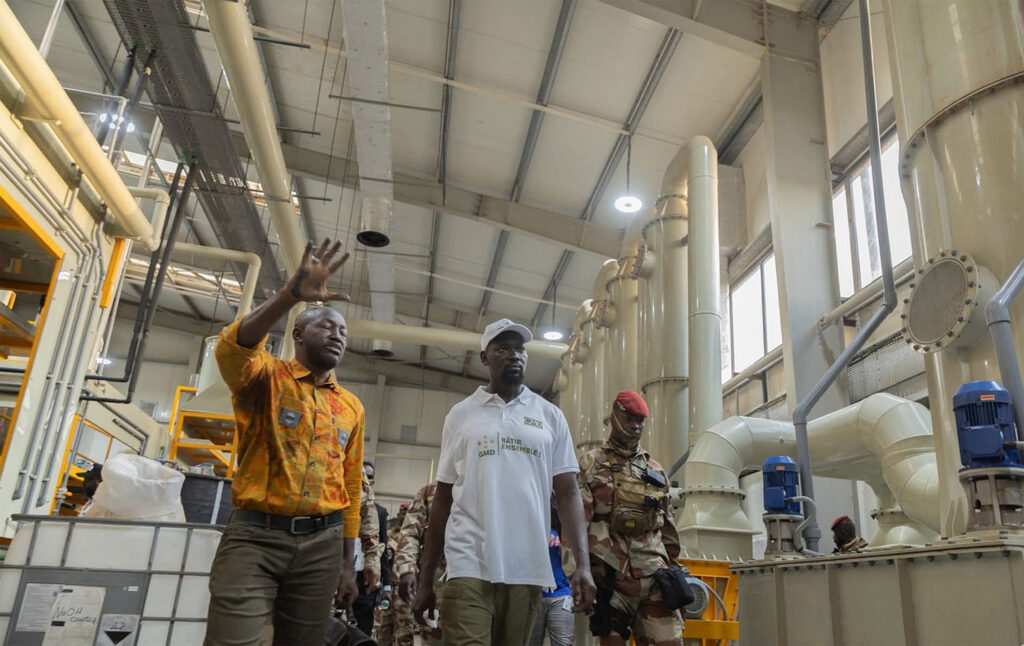
Guinea’s newly built Nimba Gold Refinery is capable of processing output from across the region, Sylla said, describing it as among the largest in Africa.
Bangaly Steve Toure, deputy head of Guinea’s Mining Investment Fund, said separately the $30 million plant would initially process 530 metric tons (about 17 million ounces) a year, rising to 733 tons at full capacity. Commercial operations are expected in July following final approvals.
Africa’s top gold producer Ghana, along with Mali and Burkina Faso, is also racing to develop a domestic refining hub to capture more value from bullion.
Guinea’s industrial gold output is dominated by AngloGold Ashanti and Nordgold. West Africa produced about 11 million ounces in 2025, based on industry estimates.
Sylla said Guinea produced roughly 2.32 million ounces last year, worth about $7 billion, but retains less than 1% of that value domestically.
“It is not just about revenue and jobs,” he said. “Countries like the UAE do not produce gold, but built refining capacity to stimulate broader economic growth. We want to create the same value chain.”
Guinea is preparing a decree to encourage local refining and plans reforms to formalize artisanal production and improve traceability by 2026, Sylla and Toure said.
The Nimba Gold Refinery, structured as a public-private partnership, is part of a wider push to develop downstream industries, mirroring similar efforts in Guinea’s bauxite sector, they added.